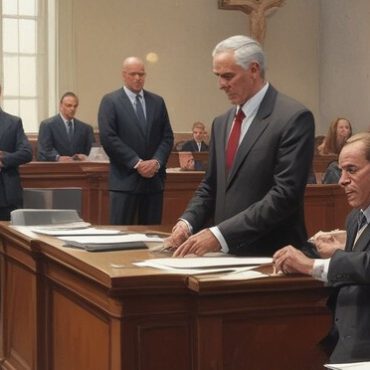
Prisons in America and their Roles
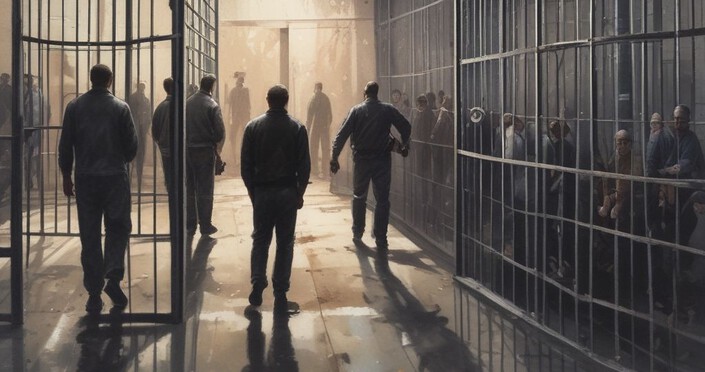
Roles played by Prisons in America
Prisons in America are places where defendants are held while waiting for their trials or those who have not been able to bail out. They also hold the inmates who have been transferred from state to county jail on a bench warranty (Schmalleger, 2007). The prisons in America are meant to keep the families of the offender and the community as a whole safe. Holding them in jail ensures that the guilty ones are punished for their wrongdoings. Writers who offer criminal law assignment help at Edudorm essay writing service notes that the kinds of punishments depend on the kind of crime committed and they include death, probation or parole. This ensures that the individuals convicted are able to pay a price for their crimes. They are denied their independence and freewill to discourage them from committing crimes again (Schmalleger, 2007).
Subcultures of Prisons in America
This means the culture of the society in prison and ideas of some prisoners to get away from the pains of being there. There are those who think it is imported there and is also referred to as convict code (Clear, 2016). It seems that prisoners tend to become accustomed to lack of freedom through forming the subcultures and behave according to them. This influences life in prisons in America because the inmates adapt to life in prison without the things they are denied. They form their own beliefs, values, customs and attitudes. Each and every prison has their own subculture and also the prison staff has their own (Clear, 2016).
Primary Concerns of the Staff in Prisons in America
These include sustaining detention and control due to threat by gang members inside prison who might harm them or inmates. This is the reason why they also form their own staff culture as they fear violence by the inmates. It is clear that the number of inmates is greater than that of the staff members (Schmalleger, 2002). The staff of prisons in America should present a unified front in order for them to be alert and prepared on what to do when danger comes. Experts who offer constitutional law assignment help at Edudorm essay writing service indicates that they are expected by the society to sustain custody of the offenders completely to ensure security, safety and order. The prisoners should stay in prison until they correct their behavior and ensure that the society is safe (Schmalleger, 2002).
Categories of children recognized by the laws of most states
One of the categories is children who are accused of criminal conduct. The other category is children who have been abandoned or abused by their parents or they need to be assisted by the state (Clear, 2016). The other category is the juveniles who have committed a status offence. The other category is the needy children who have not been neglected but they need to be taken care of. The other category is the children who have lost both parents at a tender age. The other category is the children who have been displaced and separated from their parents (Clear, 2016).
Important U.S. Supreme Court decisions on Prisons in America
One of the important decisions is that all the juveniles have the right to have an attorney during a criminal proceeding before they are taken to prisons in America. The attorney is incorporated into the structure of the process. This decision has an effect on pre-trial rights (Schmalleger, 2002). Tutors who offer legal case study help at Edudorm essay writing service acknowledges that the other decision affects the trial and it is that the child may be held at a detention home. This means that they can be in custody until the court process is finished without a bond. The judges in the juvenile court move the cases quickly making the pre-trials and hearings to be conducted quickly. The other decision affects the sentencing whereby after the arbitration the court disposes the case (Schmalleger, 2002).
References
Schmalleger, F. (2007). Criminal justice today: An introductory text for the twenty-frist century. Upper Saddle River, N.J: Prentice Hall.
Clear, T. R., Reisig, M. D., Turpin-Petrosino, C., & Cole, G. F. (2016). American corrections in brief.
Schmalleger, F. (2002). Criminal justice: A brief introduction. Upper Saddle River, N.J: Prentice Hall.