Effects of Media in Law Essay
Effects of Media in the Justice System
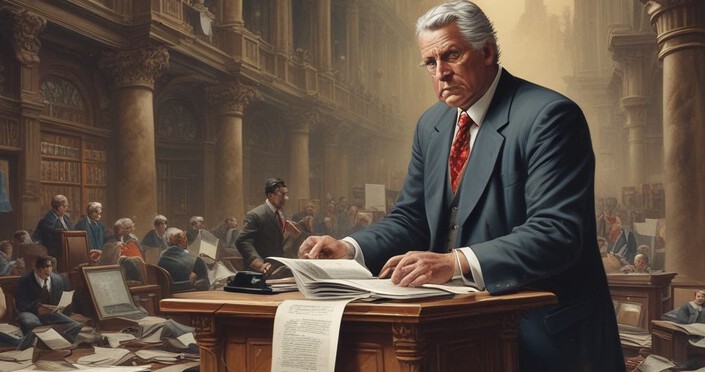
On the effects of media use of criminal justice is that new media for instance Facebook and twitter among others transfer information about prosecuted criminals without enough proof hence tend to affect criminal justice. With these new media are the fastest and easiest media to publish about issues on criminals and the prosecuted criminal may end up affected by the media’s use because of being denied his or her rights of justice (Sue, Smith & Pedroza, 1975). In the First Amendment media have a right to publish criminal information such pretrial publicity may undermine the defendant’s Sixth Amendment which is entitled to a fair trial by an impartial jury of his or her peers. The rights of those in the criminal justice system guaranteed by the Sixth Amendment has been affected by the use of media in the First Amendment in such a way that, criminals may not be aware of their biases published even if there is no a proof or an evidence of the biases published on the criminal prosecuted. Writers who offer English assignment help at Edudorm essay writing service notes that when a bias is published about a criminal prosecuted can bring hatred in the society hence the criminal may not be respected because of publication that has no proof of the crime whereby the justice of the criminal is affected.
The Effects of Media towards the Defendants and Prosecutors
The effects of media towards the defendants are negative simply because of being on a wrong side to the plaintiff. The media exercise the contempt jurisdiction of the court to punish those who violate the legal conduct hence media pled defendants guilty. The negative effects of media towards defendants may cause a defendant to commit a crime because of being on the wrong side of the law (Hoiberg & Stires, 1973). The effects of media towards the prosecutors are both positive and negative. Instructors who offer legal case study help at Edudorm essay writing service argues that the positive effects of media towards the prosecutors is because they are the one their legal right has been violated and the one who has violated their rights is aired in the media. The negative effects of media towards prosecutors is that prosecutors feel horrific since the plaintiff secret has been violated to public hence feeling guilty Ogloff & Vidmar, 1994).
When Media Should be Restricted
There is the situation in which the press should be restricted from “public trial” guaranteed by the Sixth Amendment. The first situation is to consider the process and the place have historically been open to the press and the public. The second situation is to consider whether public access occupies a significant positive role in the functioning of the process. With these considerations can help to determine the situation press should be restricted from “public trial” (Linz & Penrod, 1992). A court case that was influenced by the effects of media was of George Zimmerman in the case of shooting Tryon Martin. This court was much influenced by the social media because all the information was posted everywhere where public were able to access the information. In the social media, it is possible to find an unbiased jury of peers in the high publicity criminal as a staple source of people information (David, 2013).
References
Sue, S., Smith, R. E., & Pedroza, G. (1975). Authoritarianism, pretrial publicity, and awareness of bias in simulated jurors. Psychological Reports, 37, 1299-1302.
Hoiberg, B. C., & Stires, L. K. (1973). The effect of several types of pretrial publicity on the guilt attributions of simulated jurors. Journal of Applied Social Psychology, 3, 267-275.
Ogloff, J. R. P., & Vidmar, N. (1994). The impact of pretrial publicity on jurors: A study to compare the relative effects of television and print media in a child sex abuse case. Law and Human Behavior, 18, 507-525.
David, H. (2013). High Profile Cases: Does Media Coverage Harm or Help Justice?
Linz, D., & Penrod, S. (1992). Exploring the fi rst and sixth amendments: Pretrial publicity and jury decision making. In D. K. Kagehiro & W. S. Laufer (Eds.), Handbook of psychology and law (pp. 3-20). New York: Springer-Verlag.