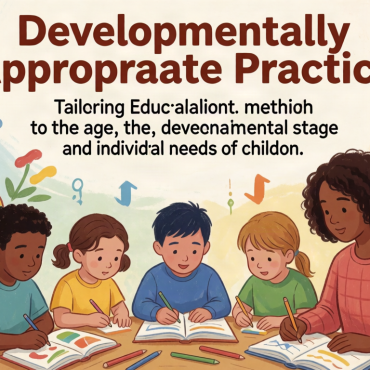
Childhood Stage

What are Childhood Stages?
Childhood is an early stage of developmental which encompass different childhood stages. During childhood, children gain different skills in every specific stage of development (Montgomery, 2011). Writers who offer essay help online at Edudorm essay writing service notes that the attainment of milestones is different due to difference in mental and physical abilities. In childhood, children pass through the following stages;
Early Childhood Stage
This childhood stage involves skill development. Though children experience physical changes, they master different skills such as walking, toilet training and more. Physical growth improves cognitive development as many children are able to understand the environment and to react positively in different situations (Schaefer & DiGeronimo, 2000).
Middle Childhood Stage
This childhood stage is important in child development in that children develop personality and they are able to create inter-personal relationship. Experts who offer research essay help at Edudorm essay writing service indicates that this stage can also be called integration since children understand the society, they live in and value the cultural norms. This stage is important in that through interaction with family and friends, children live a health life (Schaefer & DiGeronimo, 2000).
Adolescence Stage
This stage involves identity formation. Many children gain sexual maturity as well as cognitive development. Children are able to think logically and apply experiences from both internal and external environment in solving hypothetical problems (Schaefer & DiGeronimo, 2000). This stage has important elements such as meta-cognition which helps them in planning the future.
Having understood the childhood stages, the important thing is to understand the needs of children in order to guide and nurture them (Montgomery, 2011). Children have unique personality and so a childhood stage needs self-esteem in building contentment and success. Parents should maintain a positive relationship in helping children develop social skills. Generally, childhood should be a stage which requires support and protection. Children at this stage require parents’ attention and secure attachments so that they can learn new things and apply them in real world (Montgomery, 2011).
In childhood stage, each and every child should have support and a positive caring relationship from adults. This will help them in learning and controlling their life. In addition, children need materials and experiences which will assist them in gaining different skills (Montgomery, 2011). For example, books will play an important role in developing literacy skills. Time is also needed in interacting with friends and family in sharing ideas and exploring the world. Tutors who offer essay assignment help at Edudorm essay writing service acknowledges that opportunities are also important in order to involve children in real activities such as cooking, washing car and more. Each and every child should spend time with friends, parents and books in order to gain skills related with life. In addition, children shook use their time in learning how to solve problems, how to communicate effectively, how to build self knowledge and how to control and behave in a positive way (Montgomery, 2011).
The reflection on childhood stage is important in my work with children and families because it helps to;
- Understand the childhood and provide the necessary needs in their developing
- Build a lifetime bond with children and families
- Support and protect children in their adolescence
- Provide opportunities
- Teach parents on how to help their children develop communication and problem solving skills
References
Montgomery, H. (2011). An Introduction to Childhood: Anthropological Perspectives on Children’s Lives. Hoboken: John Wiley & Sons.
Schaefer, C. E., & DiGeronimo, T. F. (2000). Ages and stages: A parent’s guide to normal childhood development. New York: John Wiley.