Iroquois Creation Story
The Myth of Iroquois Creation Story
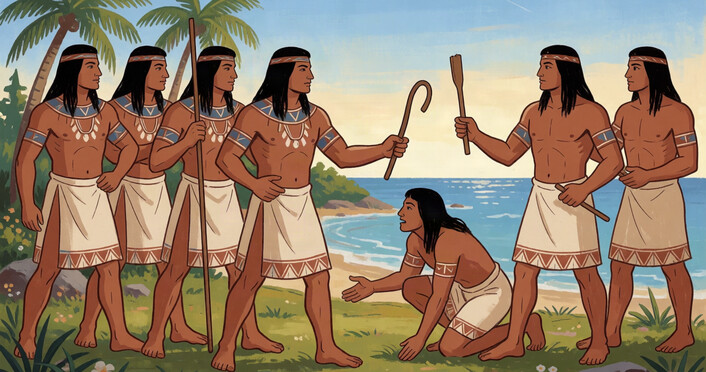
This myth of Iroquois creation story puts a lot of focus on the theme of birth as being the beginning of creation. It represents the few stories of creation originating from cultures where birth is an indication of new life or even the genesis of life on this earth. In addition, a relationship is between animals and human is seen in the Iroquois myth, where role animals had a key role to play, and were perceived to be equal with humans. Writers who do my essay online at Edudorm essay writing service notes that the story seems to tell an idea of a time when men and animals were living together with no social or economic tension existing. The water animals – turtle – in this Iroquois creation story save the woman from falling into the water which had covered the earth and then built an island for her (Murtagh, 1). In this story, the theme of a supreme being does not appear and such there is no elaboration of the onset of creation. In addition, the Iroquois creation story considers the creation of humans as having been from above and was only brought to the earth in their mother’s womb and was later born.
In many well known creation stories, there is an appearance of a supreme being who was always omnipresent. Infact, the stories involves many supernatural beings who were either gods or goddesses. Experts who offer essay assignment help at Edudorm essay writing service indicates that while the woman in the Iroquois is seen as a Sky Woman, she is not presented as a supernatural being. Unlike the Iroquois myth, animals were just creatures like human in other stories like in Greek and played no role in creation. While the Iroquois creation story the world is shown to have existed prior to human life, the biblical creation story indicates the earth as having been formless (Kennedy, Leland and Person, 24).
References
Murtagh, L. Elements in Creation Myths. (n.d).1.
Kennedy, J G, and Leland S. Person. The American Novel to 1870. 2014.23-24 Print.