Solitary Confinement
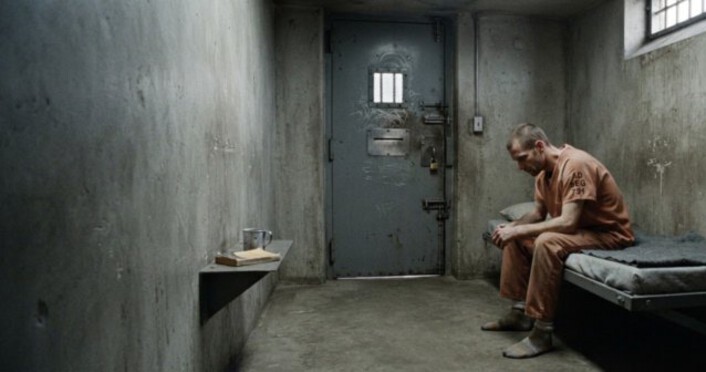
Solitary Confinement Towards Juveniles
Solitary Confinement also known as the “hole” has been around for centuries. This form of punishment is in place for criminals who commit terrible acts of crime. Inmates are being isolated for usually 23 hours a day with 1 hour of recreation. They have little to no contact with other humans besides the guards. There many reasons why inmates would be placed in solitary confinement from fighting to gang involvement. Solitary imprisonment is considered the largest structure of isolation especial towards juveniles. According to most of these prisons, they tend to argue that prisoners who have been judged are considered to be dangerous as well as a threat. Writers who offer constitutional law assignment help at Edudorm essay writing service notes that while others are viewed as members of a troublesome group thus they are all held in isolation as they are subjected to a complete idleness for quite a long period of time. This was the form of correction that was present in the past years but it has however changed and it has been exceptional in the contemporary correction process. This paper, therefore, will major its discussion on the impacts of the prolonged imprisonment of the juveniles that is, those that are below the age of eighteen who have been detained.
Risks Associated with Solitary Confinement Towards Juveniles
Every day more and more juveniles from corner to corner of the United States have been detained in solitary internment. The hole can cause serious psychological, physical harm to someone especially the state of mind of a young adult is still developing. As a result, juveniles develop mental health problems in which they never had before and worse attempted suicide. According to the U.S. section of Justice, isolation of children is treacherous and incoherent with finest observations and that too much isolation can represent cruel and typical punishment. (Birckhead 2015).
The risk of suicide is a big issue when it comes to being isolated especially for children. Reported studies have shown children that have ever been in solitary confinement are more likely to commit suicide, attempt suicide, and try self-harm. According to the DOJ found more that 50% of suicides towards children have acquired while isolated.
We also have to consider the physical harm it brings to children locked up; they are still children who are developing physically. This means they need suitable mental health, health check as well as dental services and enough nutrition to maintain the growth of muscles and also bones. Experts who offer law essay help at Edudorm essay writing service indicates that due to solitary confinement, they are denied all these; as a result, it causes physical harm, growth, and well-being. Children that are held up in solitary confinement are denied programs such as education, access to reading materials and visits from loved ones in which I believe that’s important factor to have something to hold on to. Denying them access it interferes with their ability to development. But it is also against the law (Law 2016).
According to the New York Times the second’s largest jail system, rikers have banned isolation towards inmates 21 and younger. As of Jan 9, there have been about 497 inmates between the ages of 19 and 21 at rickers (Winerip & Schwirtz 2015) .out of the 497 these are about 103 of them held in solitary confinement. Over the past years, the department of corrections has faced repeated criticism over the past years of the way inmates are being treated. They are being horrifically beaten and are neglected. US attorney Preet Bharara is suing the city over the treatment of adolescents. Which I think was a step forward in the fight to ban solitary confinement. This article also indicates isolation in a cell can worsen mental illness and case it. According to a publisher by Mr.Bhararas office described isolation towards juveniles “excessive and inappropriate” (Winerip & Schwirtz 2015).
According to Victoria Law as of June 30 should have been the day rikers’ ended solitary confinement towards the ages of 18-21. This made Rikers the first jail complex to eliminate isolation to that specific age group. But the department of corrections has requested a six-month extension on the deadline. This is now the fourth extension requested since October 2015. As of 2014 the DOC ended the use of isolation for 16-17-year-olds (Law 2016).
Here is a story of John Perez a sixteen-year-old kid who was arrested for weapons possession. According to the state he was automatically charged as an adult, unable to afford bail. He was sent to Rikers awaiting trial. He was sent to Rikers awaiting trial. He was placed in cell C-74, a unit made to hold his age group. He recalled saying “a lot the adolescents can be real territorial”. What he meant by this was they had control of everything phones, bathrooms and other aspects of the jail. He was sent to the “bing” known as solitary confinement for fighting over the use of the phone because a gang had control of it. Tutors who offer legal case study help at Edudorm essay writing service acknowledges that when in Bing Perez had his clothes taken and was issued a jumpsuit. He described his cell as a “concrete slab with a mattress. There was a toilet-sink combo, but nowhere to sit”. Some days he went days without eating or able to make a phone call. The use of phone call was a method for suicide prevention. He remembered the first three weeks was the hardest for him. “I felt isolated, sad helpless” (Law 2014).
According to the government entities, they argue that the solitary imprisonment practice of these minors can be justified on two main grounds. One the argument is that the prison’s regulations in general stipulate that the administrative solitary imprisonment is necessary for reasons of prison management. This aims at ensuring the protection and the safety measures of the prison facilities following any inmate classification as they wait for their transfer to other institutions or to other geographical locations or even as they wait for their hearing for or they are under investigation due to the violation of the prison’s set of laws (Birckhead 2015).
They may pose a threat to the prison staff as well as to other fellow inmates hence their segregation is reasonable for self-protection. Segregation may also take place when any staff of the guarding force in the prison determines that certain segregation is needed in order to ensure protection. This solitary imprisonment of the minors is viewed by the government as a form of the disciplinary process during the punishment system for the various prohibited conducts. This aims at restraining the juveniles so as to ensure that their illegal conduct does not go up (Birckhead 2015). The solitary confinement is also justified by the government as they state that the practice will protect the vulnerable minor inmates since the prisons lack cells that have adequate safeguarding due to inadequate resources that are distributed to the prisons.
Segregation units not only expose the minors to health impacts but it also exposes the prison guards in those sectors to some health defects. The prison officers in these sectors are also likely to be exposed to high violence. His intensified isolation and control practices in the prison create a culture as well as the ecology of meanness hence resulting in a long-term psychological damage to the correctional officers who safeguard these sectors (Birckhead 2015). Authors who offer civil law case study help at Edudorm essay writing service points that though the minors break the laws and that there are consequences for this illegal conduct, t is not right at all to treat them in an animal-like manner through isolating them as this will anger them more and hence driving them to be more violent and dangerous. All that these juveniles need is better rehabilitation practices that would assist them to change and to correct themselves and to make them goo people who are reformed as they go home (Law 2016).
Conclusion
It is quite clear that the harm of carrying out the solitary detainment of the minors has negative impacts that outweigh the positive impacts. Thus, according to the various cases studied, it is evident that the use of this solitary process for the juveniles is increasing each and every new day while the time that is spent in isolation is quite prolonged and counterproductive. The impacts both in the short term and the long term are destructive. According to the constitution, the eighth amendment does not support the solitary confinement of the juveniles. The solitary imprisonment of the minors is one of the consequences of the systematic issues that continue to infect the modern society/ therefore ending this solitary imprisonment for the juveniles and adoption of other better correctional practice is essential in the confrontation of other broader issues.
References
Birckhead, T. R. (2015). Children in Isolation: The Solitary Confinement of Youth. Wake Forest L. Rev., 50, 1.
Law, V. (2016). Four Deadline Extensions Later, Teenagers Are Still Locked Up In Solitary On Ricers Island. Retrieved from:
http://www.villagevoice.com/news/four-deadline-extensions-later-teenagers-are-still-locked-up-in-solitary-on-rikers-island-8856237
Winerip M. & Schwirtz M.(2015). Rikers To Ban Isolation For Inmates 21 And Younger, New York Times. Retrieved from:
http://www.nytimes.com/2015/01/14/nyregion/new-york-city-to-end-solitary-confinement-for-inmates-21-and-under-at-rikers.html
Law, V (2014). Advisers To The U.S.Civil Rights Commission Hold Briefing On Juvenile Solitary Confinement In New York. Retrieved from:
http://solitarywatch.com/2014/07/14/teens-isolation-state-advisory-committee-u-s-human-rights-commission-holds-briefing-juvenile-solitary-confinement-new-york/