
Oresteia Trilogy by Aeschylus
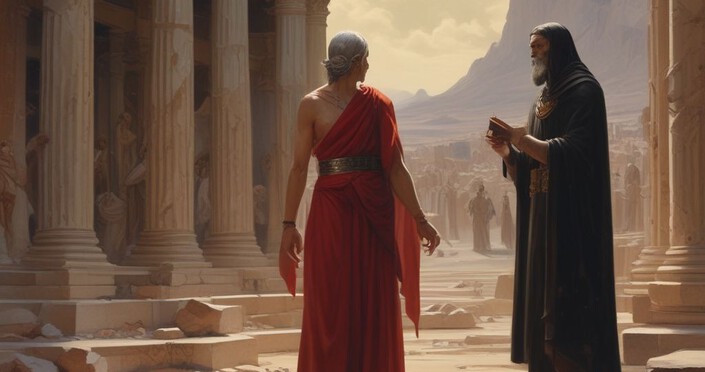
Interpretation of Oresteia Trilogy by Aeschylus
Oresteia trilogy by Aeschylus is a play whereby the name Oresteia was given to the three tragedies stories which are Agamemnon, the Libation Bearer and the Eumides that concern on the end of curse on the Atreus and the pacification of the Erinyes. Agamemnon is a tragedy story that based on king Agamemnon homecoming from the war of Trojan and the plan of killing king Agamemnon by his wife Clytemnestra as the revenge of Iphigenia the king’s daughter. Writers who write my coursework at Edudorm essay writing service notes that the Libation Bearer is a tragedy story that contracts with the Electra and Orestes reunion and their revenge as they kill Aegisthus and Clytemnestra and the curse of Atreus’ House. Eumides is a tragedy story tells how the murder of Clytemnestra and also how her murder justification pursued by Orestes so as to find justice before Athens and Athenians. This paper is focusing on the structure and idea of tragic consciousness through Clytemnestra’s defense scene in Oresteia trilogy by Aeschylus.
Context of Oresteia Trilogy by Aeschylus
Narrative and coherent are the structure and idea of tragic consciousness through Clytemnestra defense scene. Orestes is Clytemnestra’s son who finds justice for the death of his mother in Oresteia trilogy by Aeschylus. After the killing of Clytemnestra, Orestes finds a temporary refuge of idea which can present an idea of coherent for the civic harmony at the new Apollo’s temple in Dephi (Euben 24). Tutors who offer coursework assistance at Edudorm essay writing service acknowledges that Orestes begs for Athenas help upon the Clytemnestra’s defense whereby the justice of Orestes mother gets Orestes Judge from the twelve Athenians. In the part of the advocates of the dead Clytemnestra Erinyes play as an advocate while Apollo spokes on Orestes’ behalf. Afterward the trial votes are counted and they were all equal for both Erinyes and Orestes as Athena instructing citizen to watch and learn how justice is conducted. Later on Athenas convince Erinyes to accept the decision in favor of Orestes the son of Clytemnestra this present the structure of narrative structure of tragic consciousness through defense of Clytemnestra scene in Orestia (Brown 13-14).
Clytemnestra’s Defense Scene in Oresteia Trilogy by Aeschylus
Through Clytemnestra’s defense scene in Oresteia trilogy by Aeschylus, structure of diversity as in unity and unity in diversity the polis take. The justification of Clytemnestra which was founds by Orestes it derived a well being as it is thrived by the citizens. The structure and idea of tragic consciousness through Clytemnestra’s defense scene in Oresteia trilogy by Aeschylus are emergence of polis as a structure and the upshot as the idea. Emergence of polis structure is a lengthily document the adjudication of resolving the criminal cases so as to bring justice such instances of Clytemnestra case of death (Peradotto 387). Coursework experts who offer academic help at Edudorm essay writing service indicates that upshot idea is a very valued idea in the play which its importance is to contribute Solonic or Hesiodic contributions. The upshot idea is reveled when Athen tries to convince Einyes so as Orestes to get his dead mother justice (Euben 28).
Recognition Structure Emerged in the Trial of Orestes
The recognition structure emerged in the trial of Orestes while he was in polis to seek for justification. The appearance of recognition appeared in the Clytemnestra’s defense when Orestes shown respect and reconciliation when a jury of twelve Athenians appeared to deal with Orestes case which characterized the deep and fundamental opposition of recognition structure (Euben 32). After the resolve of Clytemnestra death in Oresteia trilogy by Aeschylus scene the idea of what just mean is revealed and Apollo congratulates Orestes for making a step to find the justice of his dead mother (Zeitlin 161).
Works Cited
Euben J. Peter. Justice and the Oresteia, American Political Science Review
1982. 76:22-33.
Brown, A. L. 1983. The Erinyes and the Oresteia: Real Life, the Supernatural and the
Stages, Journal of Hellenestic Studies 103:13-34.
Peradotto J. J. Some Patterns of Natural Imagery in the Oresteia, American
Journal of Philology 1964. 85:378-93
Zeitlin Froma. The Dynamics of Misogyny: Myth and Myth-Making in the
Oresteia, Arethusa 1978. 11:149-84